How Canadians Are Using Bitcoin in 2026: A Practical Guide to Buying, Spending, and Playing at a Bitcoin Casino Safely
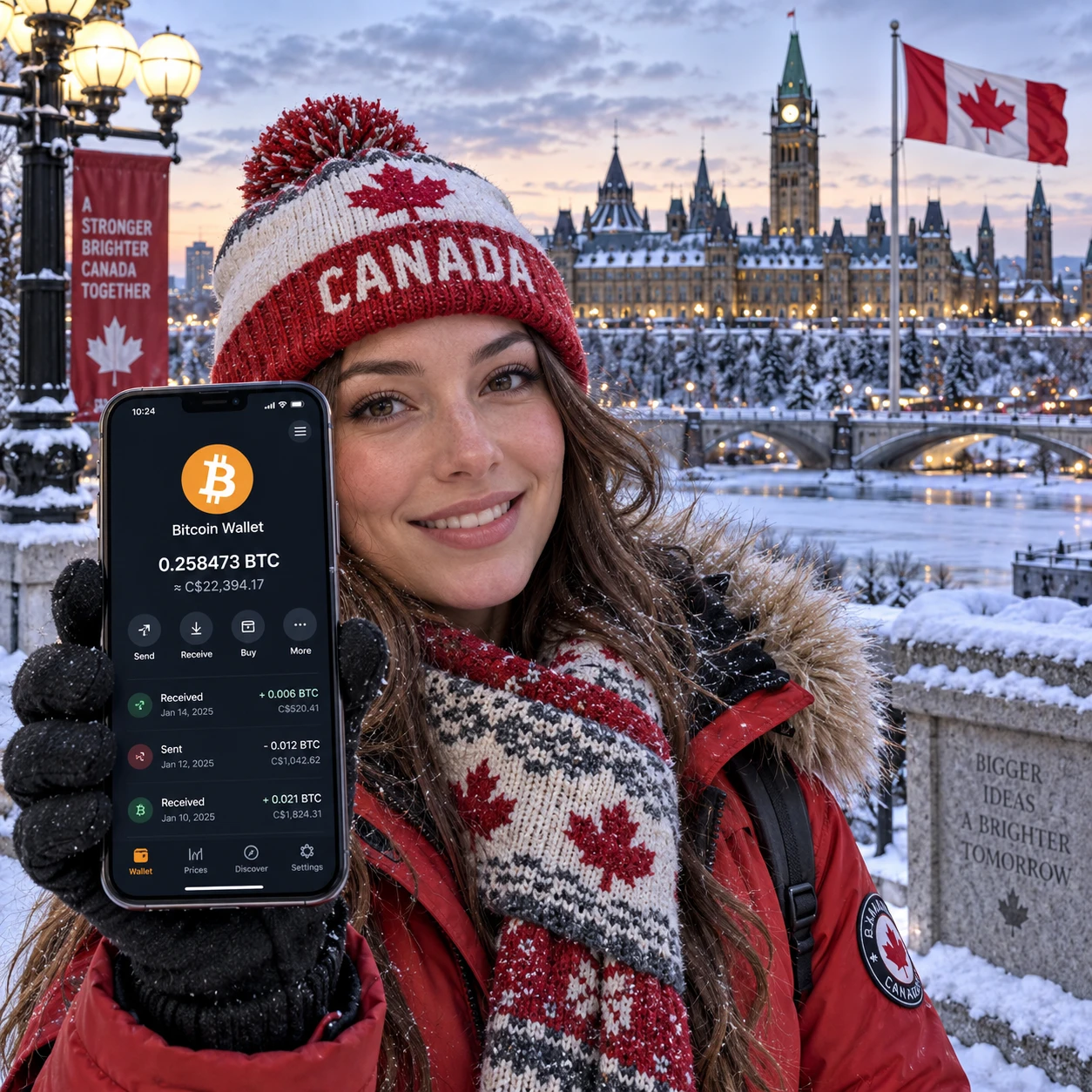
I've watched Bitcoin go from a niche curiosity to something my own neighbours chat about over coffee. Genuinely. In 2026, nobody blinks if someone pays for a haircut in Toronto with crypto, or taps a Bitcoin debit card at a Vancouver grocery store. Beyond the everyday purchases, though, more Canadians are also poking around online entertainment powered by crypto — including gambling platforms built specifically around Bitcoin transactions. This guide walks through how Canadians are legally buying, spending, and safely playing at a bitcoin casino, with practical tips to stay secure and compliant along the way.
Why Bitcoin Has Gone Mainstream in Canada
A few years back, Bitcoin felt like something only tech-savvy investors touched. That's changed, and fast. More merchants now accept crypto payments, Bitcoin ATMs have popped up in malls and convenience stores across Calgary, Ottawa, and Montreal, and younger Canadians are simply more at ease managing digital wallets than their parents' generation ever was. Add in the ongoing worry about inflation chipping away at savings accounts, and you've got a perfect storm pushing everyday people toward holding and using Bitcoin — both as a payment tool and a store of value.
Bitcoin's Regulatory Standing Under FINTRAC
One thing that's helped normalize crypto use here is clear regulation. FINTRAC (Financial Transactions and Reports Analysis Centre of Canada) requires cryptocurrency exchanges operating in the country to register as money services businesses, follow anti-money-laundering rules, and verify customer identities. This oversight doesn't make Bitcoin 'government-backed' — it's not — but it does mean legitimate platforms operating in Canada follow real compliance standards. That gives everyday users more confidence that buying, holding, and transacting in Bitcoin is both legal and, increasingly, just normal.
How to Buy Bitcoin Safely in Canada
If you're new to this, the process is less complicated than it sounds. Still, a few smart choices early on make a big difference in avoiding headaches later. I wish someone had told me that sooner.
Choosing a Regulated Canadian Exchange
Stick with exchanges registered with FINTRAC — names like Bitbuy, Newton, and Coinberry come up often among Canadian users. These platforms require Know Your Customer (KYC) verification, which might feel like a hassle (it kind of is), but it protects you from fraud and keeps the platform accountable. When comparing exchanges, look past the sign-up bonuses and check trading fees, withdrawal limits, and whether they offer cold storage for the majority of customer funds. A platform that's upfront about its security practices is usually one worth trusting.
Storing Your Bitcoin Securely
Once you've bought Bitcoin, where you keep it matters just as much as where you bought it. Hot wallets — the ones connected to the internet — are convenient for frequent spending. Cold wallets, hardware devices like Ledger or Trezor, are far safer for long-term holdings though. Whatever you choose, enable two-factor authentication everywhere possible, and never store your seed phrase digitally. Write it down. Keep it somewhere safe. Resist the urge to screenshot it 'just in case' — I've heard too many stories of lost funds from skipped basics like this.
Everyday Ways Canadians Are Spending Bitcoin
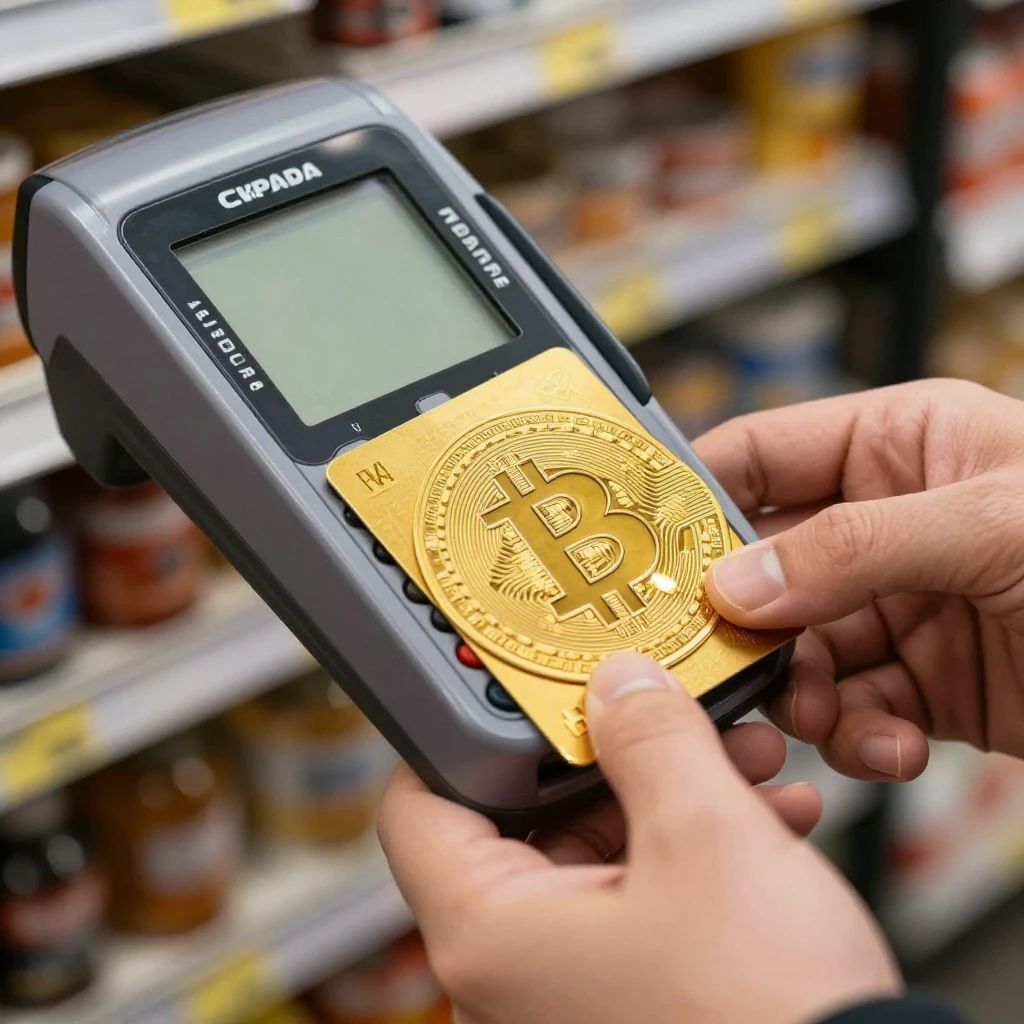
Spending Bitcoin has gotten noticeably easier, and honestly it kind of sneaks up on you how normal it's become. Several Canadian retailers now accept crypto directly or through payment processors, and Bitcoin debit cards — which convert your crypto to Canadian dollars right at the point of sale — have made day-to-day spending nearly seamless. Travel is another growing use case, with some Canadian-friendly booking platforms accepting Bitcoin for flights and hotels. Peer-to-peer transfers have caught on too, for splitting bills or sending money across provinces without the delays and fees of traditional bank transfers.
Playing at a Bitcoin Casino: What Canadians Need to Know
Online gambling has always had a crypto-curious audience, but 2026 has seen that interest grow into something closer to mainstream. A bitcoin casino operates differently from a traditional online casino in a few key ways: deposits and withdrawals happen almost instantly since there's no bank intermediary, transaction fees tend to run lower, and plenty of platforms use 'provably fair' game algorithms that let players verify outcomes weren't manipulated. Before depositing anywhere, do your homework — read reviews, check licensing, compare platforms. Many Canadians researching a well-reviewed bitcoin casino experience start by looking at independent reviews and community feedback before committing any funds.
Verifying Licensing and Fairness
Not every platform calling itself a 'bitcoin casino' is legit. Look for licensing information from recognized jurisdictions, and check whether the site publishes provably fair mechanics — basically, you can verify using cryptographic hashes that a game's outcome wasn't rigged after the fact. Transparent payout structures and clear withdrawal policies are good signs too. If a site stays vague about any of this? That's a red flag worth taking seriously.
Setting Limits and Playing Responsibly
Crypto's speed and anonymity can make it easy to lose track of spending, so responsible gambling tools matter more than ever. Reputable platforms offer deposit limits, loss limits, and self-exclusion options. If gambling ever starts affecting your finances or wellbeing, Canadian resources like the Problem Gambling Helpline (1-888-230-3505) and ConnexOntario are there to help — free, confidential, no judgment.
Common Mistakes Canadians Make with Bitcoin
- Ignoring tax reporting obligations, assuming crypto gains are somehow invisible to the CRA
- Using unregulated or offshore exchanges without checking their compliance status
- Falling for phishing emails or fake wallet apps designed to steal seed phrases
- Gambling with Bitcoin meant for savings or emergency funds rather than disposable income
- Skipping two-factor authentication because it feels like an extra step
Tax Implications of Buying, Spending, and Winning Bitcoin
The CRA treats cryptocurrency as taxable property, not currency. That means selling or spending Bitcoin that's gone up in value can trigger capital gains tax, and if you're trading frequently, it might even count as business income. Gambling winnings converted from Bitcoin back into Canadian dollars can carry tax implications too, depending on how they're classified. The safest approach, and I say this as someone who learned it the annoying way, is keeping detailed records — purchase dates, amounts, transaction purposes — so you're not scrambling come tax season. A simple spreadsheet or dedicated crypto tax software can save a lot of stress later.
Conclusion
Buying, spending, and playing with Bitcoin in Canada has never been more accessible. But accessibility doesn't replace due diligence. Choosing regulated exchanges, securing your wallet properly, and researching any bitcoin casino thoroughly before depositing funds — these are the habits that separate a smooth crypto experience from a costly one. As Bitcoin keeps weaving itself into everyday Canadian financial life in 2026, a little caution and a lot of homework go a long way toward keeping things both enjoyable and safe.