How Canadian Online Spenders Are Shifting to Bitcoin Casinos in 2026: A Guide to Crypto Payments, Privacy, and Smart Digital Transactions
I've been watching how Canadians handle money online for a few years now, and something's genuinely shifted. Not just the younger crowd dabbling in crypto anymore — my neighbor, who's in her fifties and still writes cheques for most things, asked me recently how Bitcoin casinos actually work. Her nephew wouldn't stop talking about them, apparently. That conversation stuck with me, honestly. 2026 feels like the year crypto payments stopped being a niche curiosity and turned into a real option for everyday online spending — especially in gaming and entertainment.
Rising bank fees. Growing unease about data privacy. Faster digital currency rails. Put all that together and you get a lot of Canadians rethinking how they pay for things online. Bitcoin, once brushed off as speculative or too technical for the average person, now sits comfortably next to Interac and credit cards as a legitimate choice. This guide walks through why that's happening, how it actually works, and what you should know before trying it yourself.
Why Canadian Spenders Are Embracing Crypto in 2026
There's a bigger cultural and economic story behind this, I think. Inflation worries haven't gone away, and plenty of Canadians are still feeling years of rising costs chip away at their disposable income. At the same time, trust in traditional banks has taken a hit — not from any one scandal, necessarily, but from an accumulation of hidden fees, slow international transfers, and account restrictions that feel arbitrary half the time. Crypto, for all its volatility, offers something refreshingly direct: you control your funds, full stop, and transactions happen without a middleman deciding what's acceptable.
The Rise of Digital-First Consumers
Younger Canadians — the ones who grew up with mobile banking apps rather than bank branches — are leading this charge. They're comfortable with digital wallets, understand blockchain basics from years of casual exposure, and frankly, waiting three business days for a transfer strikes them as almost absurd. For this group, crypto wallets aren't intimidating. They're just another app on the home screen, sitting right next to banking and investment tools, no big deal.
Bitcoin as a Mainstream Payment Option
What's really pushed adoption forward is how normalized Bitcoin has become across online platforms. It's no longer stuck in tech forums or speculative trading circles. Retailers, subscription services, and especially online entertainment platforms now accept it as a standard payment method. That matters because it strips away the 'weirdness factor' — using Bitcoin to pay for something online in 2026 feels about as unusual as using PayPal did a decade ago. Nobody blinks anymore.
Understanding Bitcoin Casinos and Their Appeal
Bitcoin casinos are online gaming platforms that accept cryptocurrency, mostly Bitcoin, as a deposit and withdrawal method — sometimes exclusively. And the appeal isn't just using crypto for crypto's sake. These platforms often run on provably fair gaming systems, meaning the fairness of each game outcome can be independently checked using cryptographic proof. That's a level of transparency traditional online casinos simply can't match with their closed, proprietary random number generators. Worth sitting with for a second — most people never think to question how 'random' is actually random.
How Bitcoin Casinos Work
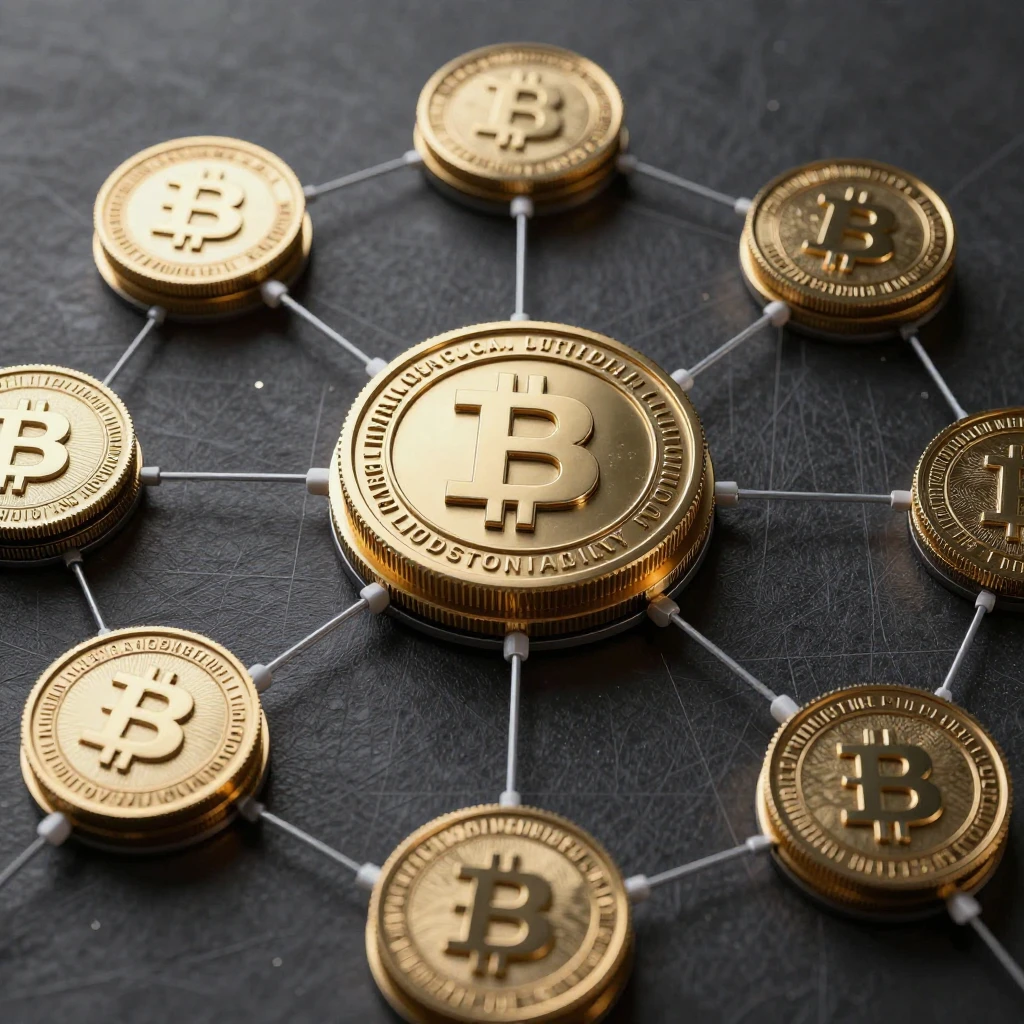
The process is surprisingly simple once you've done it one time. You create a wallet, buy Bitcoin through a reputable exchange, then transfer it to your casino account. Deposits typically confirm within minutes depending on network congestion. Withdrawals — often the most frustrating part of traditional online gambling — tend to process much faster since there's no bank intermediary reviewing the transaction. The blockchain handles verification itself, recording every transaction on a public ledger anyone can audit without exposing personal identities.
Privacy and Security Advantages of Crypto Payments
This is where things get genuinely interesting for Canadian users who've grown wary of data breaches and third-party tracking. Pay with a credit card and that transaction gets logged by your bank, potentially shared with marketing partners, tied directly to your identity in ways most people don't fully appreciate. Bitcoin transactions, by contrast, are pseudonymous. Your wallet address doesn't inherently reveal who you are — even though the transaction itself stays permanently recorded on the blockchain.
That doesn't mean crypto is anonymous in some absolute sense. Sophisticated tracking exists, I won't pretend otherwise — people who tell you crypto is untraceable are either selling something or haven't looked closely. But for the average Canadian spender, it offers a meaningful layer of separation between personal banking information and online entertainment habits. No more worrying about a casino transaction showing up oddly on a joint bank statement or triggering a fraud alert from an overly cautious bank algorithm.
Speed, Fees, and Convenience: Comparing Crypto vs. Traditional Payments
Let's talk numbers, because this is usually where crypto actually wins people over. A traditional e-transfer in Canada might take minutes to a day depending on the bank, while international wire transfers can take three to five business days and rack up fees that sometimes exceed thirty dollars. Credit card transactions, meanwhile, often come with currency conversion fees if you're dealing with a platform priced in USD — and a lot of gaming sites are.
Bitcoin transactions, depending on network conditions, often settle within ten to sixty minutes, and fees are typically a small fraction of what traditional cross-border payments cost. For Canadians using international gaming platforms — common enough, given how much of this industry operates outside domestic borders — that speed and cost advantage adds up over time, more than people expect at first. Resources like bitcoin casinos offer a practical look at how these platforms actually handle crypto payments in real-world conditions, which gives newcomers a clearer sense of what to expect before committing any funds.
Smart Practices for Using Bitcoin in Online Transactions
Jumping into crypto payments without some basic groundwork is asking for trouble. Here's what I'd tell anyone just starting out:
- Use a reputable, well-reviewed wallet with strong security features, including two-factor authentication.
- Stick to licensed, regulated platforms even within the crypto gaming space — legitimacy still matters.
- Understand that Bitcoin's price can swing significantly within hours, so only deposit what you're comfortable risking to market fluctuation.
- Double-check wallet addresses before sending funds; blockchain transactions can't be reversed.
- Keep your private keys offline and never share them, even with platforms claiming to need them for 'verification.'
Avoiding Common Mistakes
The most common pitfalls I've seen Canadian users fall into: using unregulated or poorly reviewed platforms simply because they dangle flashy bonuses, ignoring network transaction fees that fluctuate based on blockchain congestion, and failing to properly secure private keys — sometimes storing them in plain text files or screenshots, which is basically an open invitation for theft. Taking an extra ten minutes to verify a platform's licensing and security practices saves a lot of regret later. I think most people know this. They just skip the step anyway, every time, until it bites them once.
The Future of Crypto Payments in Canada
Looking ahead, I expect regulatory clarity to keep improving as Canadian authorities try to balance consumer protection with innovation. More merchants — not just gaming platforms — will likely start accepting Bitcoin and other cryptocurrencies as standard payment options. Some financial analysts suggest that within a few years, crypto payment integration could become as unremarkable as tap-to-pay is today. Just another option sitting quietly in your digital wallet, ready when you need it.
Conclusion
The shift toward Bitcoin among Canadian online spenders isn't a passing trend. It reflects real frustration with traditional banking and genuine enthusiasm for faster, more private digital transactions. Whether you're drawn in by the privacy benefits, the speed, or just plain curiosity about how blockchain technology works in practice, approaching crypto payments with a bit of caution and a willingness to learn goes a long way. Stay informed, pick your platforms carefully, and this evolving digital economy might just become one of the smarter financial habits you build in 2026.