How Canadians Struggling with Cross-Border Debt Can Find Relief: Comparing Debt Consolidation Options in Canada and the U.S. in 2026
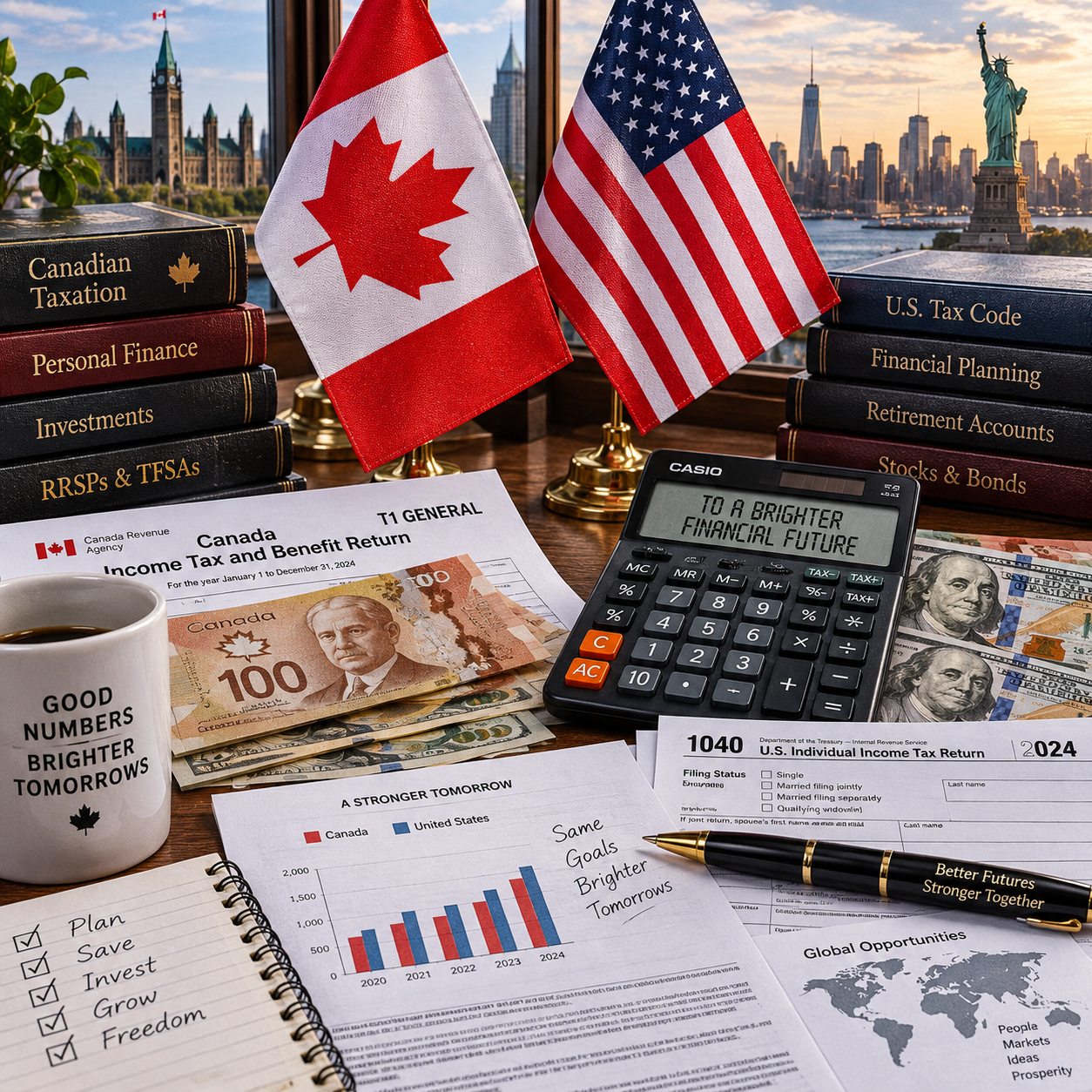
I've spent a lot of time talking with Canadians who split their lives between two countries — whether that's a nurse commuting to Michigan, a tech worker who spent a few years in California, or a snowbird who racked up medical bills in Florida. What surprises most of them is how quickly debt can pile up on both sides of the border without a clear plan for tackling it. In 2026, this isn't a niche problem anymore. It's a growing reality for thousands of Canadians, and figuring out the right consolidation strategy can feel like solving two puzzles at once.
The Rise of Cross-Border Debt Among Canadians
More Canadians than ever are earning, spending, and borrowing across the Canada-U.S. border. Remote work arrangements, cross-border commuting jobs, U.S.-based online lenders, and even simple things like signing up for a U.S. credit card during a work stint have created a messy web of obligations. Add in medical bills from an unexpected emergency room visit south of the border — where healthcare costs can be brutal without adequate insurance — and it's easy to see how debt accumulates in two currencies and two legal systems simultaneously.
This matters more in 2026 than it did even a few years ago because interest rates on both sides remain elevated compared to pre-pandemic norms, and lenders in both countries have gotten more aggressive about collections. Canadians juggling debt in both jurisdictions need a strategy that actually works within each country's rules, not a one-size-fits-all approach borrowed from a friend's experience.
Understanding Debt Consolidation: A Quick Primer
Debt consolidation, at its core, means combining multiple debts into a single payment — usually with the goal of getting a lower interest rate or a more manageable monthly obligation. It's different from debt settlement, which involves negotiating to pay less than what's owed, and it's a different beast entirely from bankruptcy, which involves a legal process to eliminate or restructure debt through the courts.
For most Canadians I talk to, consolidation is the first thing they consider because it feels less drastic than bankruptcy and doesn't carry the same stigma or credit damage as settlement. But when debt spans two countries, the process of consolidating gets complicated fast.
Why Consolidation Looks Different Across Borders
Currency conversion alone can eat into any savings you'd get from a lower interest rate. Beyond that, credit reporting works differently — Canada's credit bureaus operate under provincial privacy laws and PIPEDA, while the U.S. system runs under the Fair Credit Reporting Act (FCRA). A consolidation loan taken out in Canada won't necessarily show up on your U.S. credit file, and vice versa. That means you could technically 'fix' one side of your credit picture while the other side keeps deteriorating, unnoticed, until it catches up with you.
Debt Consolidation Options in Canada
On the Canadian side, there are several well-established paths. Consumer proposals allow you to negotiate a reduced repayment plan with creditors through a licensed professional, avoiding bankruptcy while still getting legal protection from collection calls. Credit counselling agencies offer debt management plans that consolidate unsecured debts into one monthly payment, often with reduced interest rates negotiated on your behalf. Traditional bank consolidation loans remain popular too, especially for those with decent credit who just want to simplify multiple payments into one.
Because financial services are provincially regulated in many respects, eligibility and protections can vary depending on where you live. Someone in Ontario might have access to slightly different consumer protection rules than someone in Alberta or Quebec, so it's worth checking your provincial regulator before committing to any program.
Working With a Licensed Insolvency Trustee (LIT)
If your debt situation is serious, working with a Licensed Insolvency Trustee is often the most structured and legally sound option. LITs are federally regulated professionals who can help you file a consumer proposal or, if necessary, personal bankruptcy. Their fees are typically built into the proposal itself rather than charged upfront, which makes this a more transparent option compared to some informal debt settlement companies that charge steep fees before delivering any real results. Unlike unregulated settlement firms, LITs operate under strict federal oversight, giving you a layer of protection that's hard to find elsewhere.
Debt Consolidation and Relief Options in the U.S.
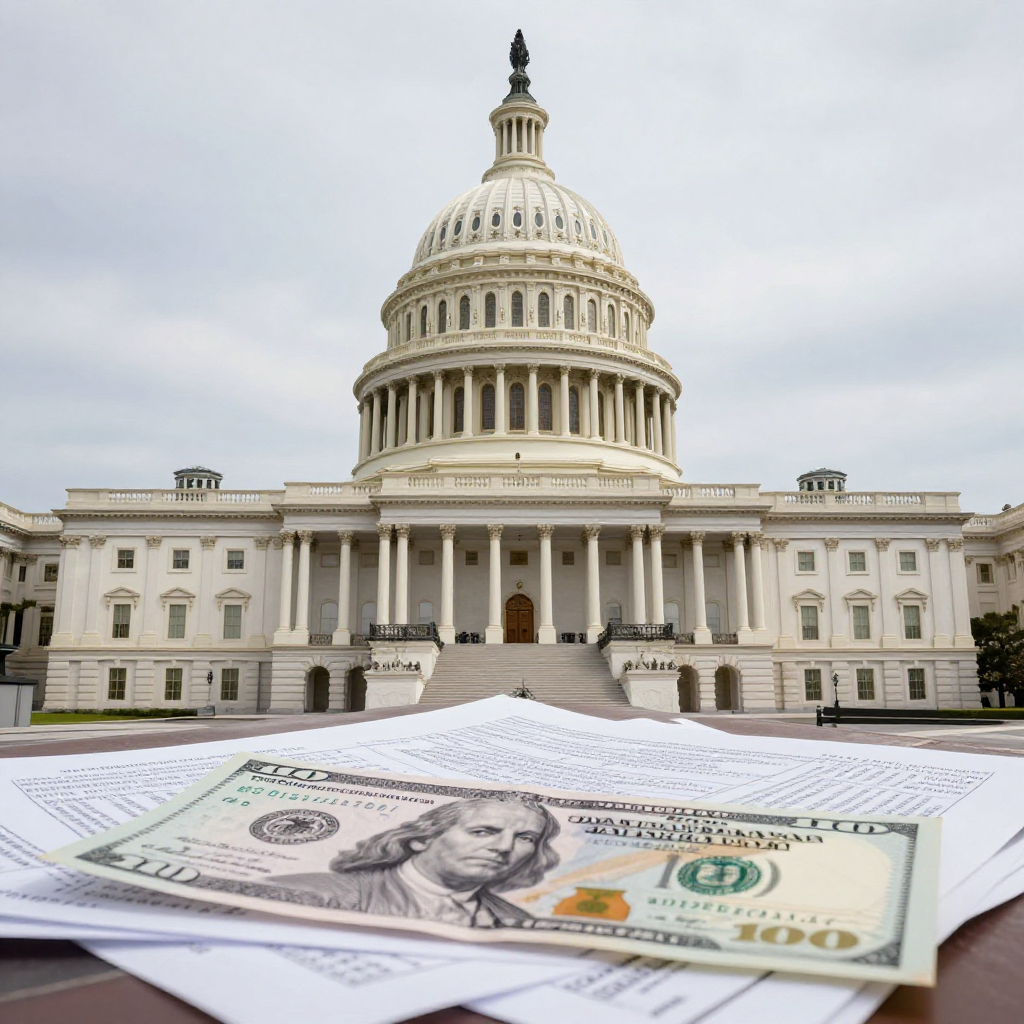
On the American side, the landscape looks a bit different. Nonprofit credit counseling agencies — often accredited through organizations like the National Foundation for Credit Counseling — offer debt management plans similar to Canada's, consolidating unsecured debt into a single monthly payment with negotiated interest reductions. There are also for-profit debt settlement companies, which promise to negotiate your balances down, though these come with real risks including credit score damage and potential tax consequences on forgiven amounts.
Personal loans remain an option too, particularly for Canadians who have established U.S. credit history through work visas or long-term residency. The challenge is finding a program that's actually reputable, since the U.S. debt relief industry has more than its share of predatory operators. This is where localized guides become genuinely useful. For Canadians who accumulated debt while living or working in the U.S. capital region, resources like the Washington City Paper: Best Debt Relief Programs in Washington DC 2026 can help identify vetted, well-reviewed programs specific to that city before you commit to anything. City-specific guides like this tend to filter out the sketchier operators and point you toward companies with actual track records in that regional market, which is worth a lot when you're not physically present to do in-person due diligence.
Key Differences Between Canadian and U.S. Debt Relief Systems
The two systems diverge in some important ways. Interest rate regulation in Canada tends to be stricter, with a federal criminal interest rate cap, whereas U.S. rate caps vary wildly by state — some states allow astronomically high rates on certain loan products. Credit score impact also differs: Canadian credit scores (via Equifax Canada and TransUnion Canada) and U.S. scores are calculated separately, so an improvement in one doesn't automatically help the other.
Tax treatment of forgiven debt is another area where people get tripped up. In Canada, forgiven debt can trigger tax consequences under the debt forgiveness rules in the Income Tax Act. In the U.S., forgiven debt is often treated as taxable income under IRS rules, unless specific exclusions apply. And consumer protection laws — from cooling-off periods to disclosure requirements — vary enough between the two countries that a program considered standard practice in one place might be flagged as questionable in the other.
Choosing the Right Strategy for Your Cross-Border Situation
Deciding where to focus your consolidation efforts really comes down to a few practical questions: Where did most of the debt originate? What's your current residency status? And where do you see yourself living long-term? If you're planning to move back to Canada permanently, prioritizing Canadian credit repair and consolidation tools makes sense, even if some debt technically originated in the U.S. If you're staying in the U.S. for the foreseeable future, leaning on American nonprofit counseling services and reputable local programs — like the ones highlighted in city-specific guides — often makes more sense.
Questions to Ask Before Signing Up With Any Program
- Is the organization accredited by a recognized body (like the NFCC in the U.S. or a provincial credit counselling association in Canada)?
- Are all fees disclosed upfront, in writing, before you sign anything?
- How will this program affect your credit score in both Canada and the U.S., not just one country?
- Is the company or trustee properly licensed in the jurisdiction where you currently reside or where the debt originated?
- Does the program account for currency exchange in its repayment calculations?
Common Mistakes Canadians Make With Cross-Border Debt
The most frequent mistake I see is ignoring currency exchange costs when calculating whether a consolidation loan actually saves money. A loan that looks great in USD might not be such a good deal once converted back to CAD. Another common pitfall is working with unlicensed U.S. debt settlement firms that promise dramatic reductions but disappear after collecting upfront fees — a scam pattern that's unfortunately still common in 2026.
Canadians also frequently overlook the tax implications of forgiven U.S. debt once they're back home, not realizing the Canada Revenue Agency may want to know about it. And finally, many people simply never check whether a program is licensed to operate in their specific state or province, assuming that a company operating nationally in one country is automatically legitimate everywhere.
Conclusion
Successful cross-border debt relief in 2026 really comes down to understanding both systems well enough to avoid costly missteps. That means seeking accredited help on each side of the border, verifying licensing carefully, and using region-specific resources — including local guides like the Washington City Paper's DC-focused roundup — to make informed decisions rather than guessing. Debt that spans two countries is genuinely more complicated to manage, but with the right combination of Canadian and American tools, it's absolutely possible to build a plan that actually works for your situation.