How Canadians Struggling with Unsecured Debt Can Learn from U.S. Debt Relief Models: A 2026 Guide

If you're a Canadian carrying credit card balances that feel like they're growing faster than your paycheck, you're far from alone. Between higher interest rates, stubborn inflation, and the everyday cost of living, more households across this country are leaning on unsecured debt just to stay afloat. The good news? You don't have to reinvent the wheel when looking for a way out. While Canada has its own debt relief system, there's real value in studying how the U.S. debt settlement industry operates — particularly in states like Hawaii, where consumer-reviewed programs have set a high bar for transparency and fair pricing. This guide walks through what Canadians can borrow from that model when evaluating their own options in 2026.
Understanding Unsecured Debt in Canada Today
Unsecured debt covers anything not tied to collateral — credit cards, personal lines of credit, medical bills, and many personal loans. Unlike a mortgage or car loan, there's no asset backing it up, which is exactly why it tends to carry higher interest rates and why lenders push harder when payments stop coming in.
Heading into 2026, Canadian households are dealing with a familiar squeeze: grocery bills that never seem to drop, rent or mortgage renewals at higher rates, and credit card minimums that barely touch the principal. It's no surprise that more people are actively searching for structured ways to manage or settle what they owe, rather than just treading water month after month.
Common Debt Relief Options Available to Canadians
Canada already offers several established paths for people dealing with unmanageable unsecured debt:
- Consumer proposals — a legally binding agreement, filed through a Licensed Insolvency Trustee (LIT), to repay a portion of what you owe
- Debt consolidation loans — combining multiple debts into one loan, ideally at a lower interest rate
- Credit counselling — nonprofit agencies that help set up debt management plans with creditors
- Informal negotiation — reaching out directly to creditors to negotiate reduced balances or payment terms
These are solid, regulated options. But the way they're priced, marketed, and monitored can vary a lot depending on who you work with — which is where looking south of the border gets useful.
What Canada Can Learn from the U.S. Debt Settlement Model
In the United States, debt settlement operates as a distinct, mature industry. Third-party companies negotiate directly with creditors on a client's behalf, typically charging a fee based on a percentage of the enrolled or settled debt. Because this industry has existed at scale for decades, it's been shaped by state-level licensing requirements and federal oversight through the FTC's Telemarketing Sales Rule, which restricts companies from charging fees before a settlement is actually reached.
That regulatory pressure has forced a level of transparency that's genuinely instructive. Reputable U.S. firms now routinely disclose their fee structures upfront, provide written settlement agreements, and maintain accreditation through industry bodies. For Canadians comparing local options, this is a useful benchmark: if a U.S. company operating in a competitive, well-monitored market discloses fees clearly before you sign anything, that same standard should apply to whoever you're considering working with at home.
Why Hawaii's Market Offers a Useful Case Study
Hawaii is a particularly interesting example because it's a smaller, tightly-knit consumer market where reputation and reviews travel fast. Companies operating there can't hide behind volume or anonymity the way larger national players sometimes can. Consumers researching options often turn to curated resources like this roundup of debt relief programs Hawaii, which vets companies based on accreditation, complaint history, and how clearly they disclose fees before enrollment.
That kind of vetting criteria is exactly what Canadians should be applying when researching local providers — whether it's a credit counselling agency, a Licensed Insolvency Trustee, or a private debt settlement firm. The specific companies differ by jurisdiction, but the questions you should be asking don't change.
Comparing Costs and Fee Structures Side-by-Side
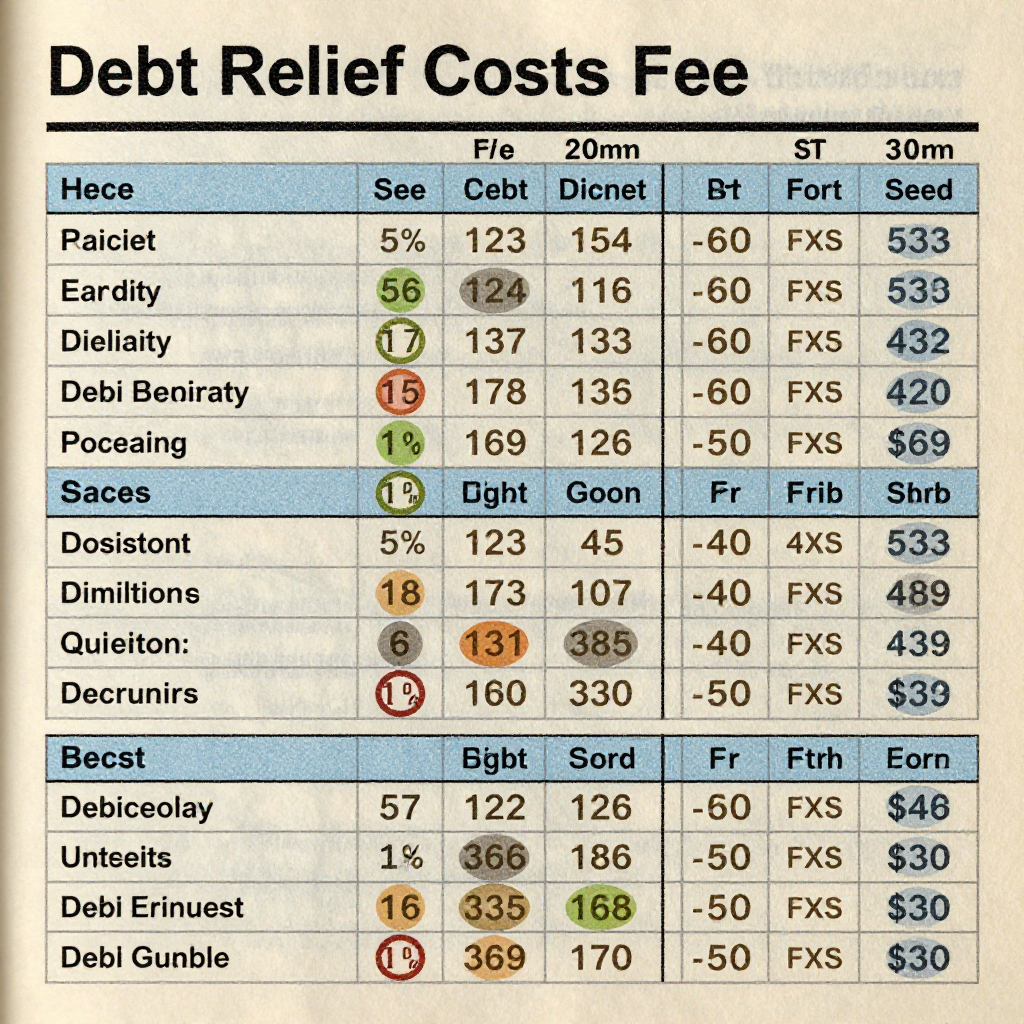
One of the biggest differences between the U.S. and Canadian systems is how providers get paid. In the U.S., debt settlement companies typically charge somewhere between 15% and 25% of the enrolled debt amount, collected only after a settlement is successfully negotiated. This contingency-based model, at least on paper, aligns the company's incentive with actually getting you results.
In Canada, Licensed Insolvency Trustees charge fees that are regulated and disclosed as part of the consumer proposal process, often built into the proposal payments themselves rather than charged separately upfront. Nonprofit credit counselling agencies frequently charge modest monthly fees or none at all, depending on the province and organization.
Here's a simple framework Canadians can use to compare any provider, regardless of where they're based:
- Upfront fees vs. contingency fees — be wary of anyone asking for large payments before any work is done
- Regulated vs. unregulated providers — LITs and accredited credit counsellors operate under government oversight; some private settlement firms do not
- Percentage-based vs. flat-fee pricing — understand exactly what percentage or dollar amount you're being asked to pay, and when
Fair pricing, in either country, means you know the total cost before you commit — not after.
Best Practices for Evaluating Any Debt Relief Program
Whether you're looking at a Canadian firm or comparing notes from a well-reviewed program elsewhere, the same checklist applies:
- Verify licensing — LIT status in Canada, or state registration for U.S.-based companies
- Ask for fee disclosure in writing before signing anything
- Search for independent reviews and check complaint records with consumer protection bodies
- Be skeptical of guarantees — no legitimate company can promise a specific debt reduction outcome
- Understand how the program will affect your credit score and what legal protections (or lack thereof) apply
Red Flags to Watch For
Some warning signs are consistent no matter which country you're in:
- Requests for upfront fees before any settlement or negotiation has occurred
- High-pressure sales tactics urging you to sign immediately
- No written agreement outlining terms, fees, or timelines
- Promises that sound too good to be true, like eliminating debt entirely for pennies on the dollar
If you notice any of these, treat it as a signal to walk away and keep looking.
Applying U.S.-Inspired Standards to the Canadian Market
Canadians don't need to hire an American company to benefit from American-style transparency. What you can do is bring the same expectations to the table when talking to a local Licensed Insolvency Trustee, credit counsellor, or private debt settlement firm operating in Canada. Ask the same pointed questions a well-vetted resource would answer for you: What's your accreditation? What's your fee structure, and when do I pay it? Can you show me reviews or a complaint history? A provider that hesitates to answer clearly is telling you something important.
FAQ — Cross-Border Debt Relief Questions
Can Canadians use U.S. debt settlement companies?
Generally, no. Most U.S. debt settlement firms are licensed to operate only within specific states and aren't equipped to negotiate with Canadian creditors or navigate Canadian consumer protection law.
What's the Canadian equivalent of debt settlement?
The closest formal equivalent is a consumer proposal filed through a Licensed Insolvency Trustee, along with informal negotiation directly with creditors or through a credit counselling agency.
How do I know a debt relief company is legitimate?
Check for proper licensing, ask for written fee disclosure before signing, and look up independent reviews or complaint records — the same standards used to vet reputable programs anywhere, including well-known Hawaii-based options.
There's real value in looking beyond our own borders when it comes to figuring out what 'good' looks like in debt relief. The U.S. market — and smaller, well-scrutinized examples like Hawaii's — has developed useful benchmarks around transparency, fee disclosure, and accreditation that Canadians can absolutely apply when vetting local providers. At the end of the day, whether you're working with a Licensed Insolvency Trustee in Toronto or comparing notes from a program in Honolulu, the questions you should be asking — and the answers you deserve — stay the same.